
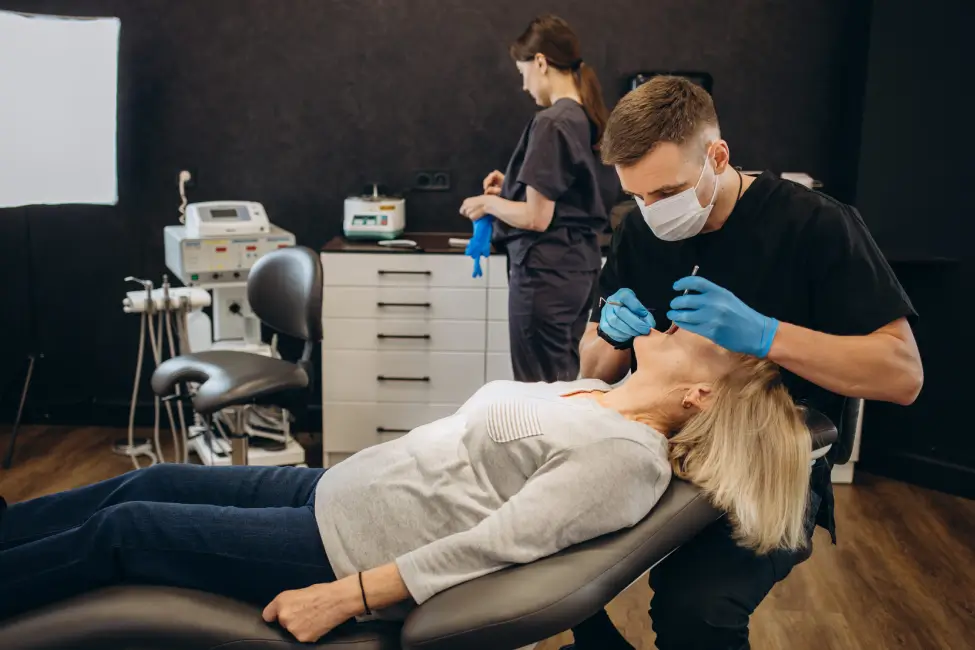
Oral cancer screening is an essential component of preventive dentistry. Oral cancer screenings help identify abnormal tissue changes that may require further evaluation, often before noticeable symptoms develop.
Because oral cancer often causes few or no symptoms in its early stages, regular screenings play an important role in early detection. A lot of patients ask about the frequency of their oral cancer screenings. This depends on individual risks and health background.
Why Regular Screenings Matter
Early-stage oral cancer is far more treatable, but it rarely announces itself. Tissue changes at that stage are subtle enough that most people miss them without a professional looking closely.
An oral cancer screening involves examining the lips, tongue, cheeks, gums, roof and floor of the mouth, throat, and other surrounding tissues for abnormalities. The procedure will assist in determining if anything needs further inspection. Regular screenings provide an opportunity to detect concerns before they become more advanced.
How Often Should Most Adults Be Screened?
For many adults, an oral cancer screening can be performed during routine dental visits. Since most patients are encouraged to visit the dentist every six months, these appointments often provide an appropriate opportunity for regular screening.
Including oral cancer screenings as part of routine preventive dental care helps support regular monitoring for abnormal tissue changes. Even people without symptoms may benefit from routine screenings because some abnormal changes are not noticeable without a professional examination.
Patients With Higher Risk Factors
Some individuals may benefit from more frequent oral cancer screenings. Risk factors can include tobacco use, heavy alcohol consumption, a history of oral cancer, prolonged sun exposure to the lips, and certain viral infections.
People with one or more risk factors should speak with their dentist or periodontist about how often they should be screened. A personalized screening schedule helps ensure monitoring is based on each patient’s individual risk factors and medical history. This will give added assurance to the patient.
Symptoms That Should Not Be Ignored
While routine screenings are important, patients should not wait for their next scheduled appointment if they notice unusual changes. Persistent mouth sores, lumps, red or white patches, difficulty swallowing, or unexplained oral discomfort should be evaluated promptly.
Seeking prompt evaluation when symptoms develop helps determine the cause and whether additional testing is needed. Early detection often leads to better treatment outcomes.
Schedule Your Oral Cancer Screening
Routine oral cancer screenings are a simple but important part of maintaining long-term oral health. For most adults, screenings during regular dental visits provide an effective way to monitor for abnormal tissue changes and support early detection.
At Perio Health Professionals, we provide comprehensive periodontal and preventive care, including oral cancer screenings. Contact us today to schedule an appointment or learn more about oral cancer screenings.
