
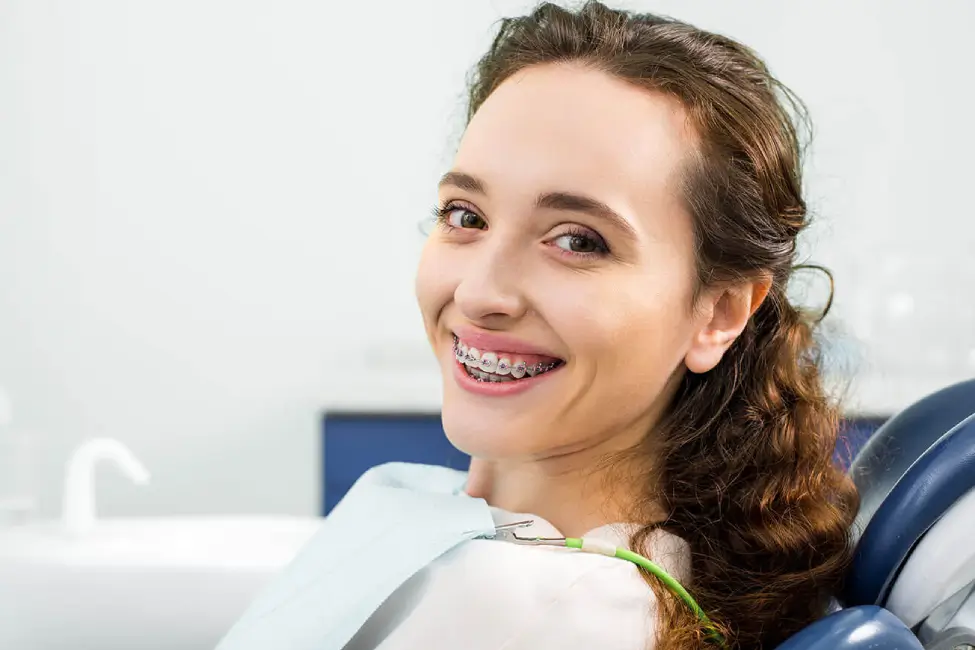
The upper canines are vital to a person’s smile and proper bite formation. The canines have thick, strong roots and play an important role in supporting proper dental alignment and bite function. In some cases, the canines will become stuck underneath the gumline rather than erupting properly.
Dentists refer to this problem as an impacted tooth. If the impacted canine tooth is left untreated, it could damage other root structures or displace nearby teeth.
Orthodontists and periodontists fix this issue through a collaborative procedure known as canine exposure. This approach exposes the hidden tooth so orthodontic hardware can pull it into its proper spot.
Understanding Impacted Canines
Canines come into the mouth at the age of eleven or twelve. Since they erupt after adjacent front teeth, they might lack sufficient space. In some instances, additional teeth or bone tissue within the mouth obstruct the eruption.
An impacted tooth gets trapped in the jawbone or soft tissue. Impacted teeth do not cause any discomfort to patients when they are still hidden in the mouth, making regular dental X-rays very important for young children and teenagers.
The Surgical Exposure Process
A dental specialist performs canine exposure to clear a pathway for the trapped tooth. First, the doctor numbs the area with local anesthesia to keep the patient comfortable. Then, the specialist makes a small incision in the gum tissue to reveal the hidden tooth crown.
If the jawbone covers the tooth, the doctor carefully removes a tiny amount of bone. Next, the specialist attaches a small orthodontic bracket with a tiny gold chain directly to the exposed tooth surface.
The chain hangs slightly past the gum line, giving the orthodontist something to pull on during future visits.
Guiding the Tooth Home
After the gums heal, the orthodontic team steps in to start the moving process. The orthodontist connects the gold chain to the patient’s existing braces wire. This wire applies light, steady traction to the hidden tooth over several months.
The tooth moves slowly through the bone toward its correct space in the dental arch. Patients visit their orthodontist periodically so the doctor can adjust the tension on the chain. Gentle pressure protects the tooth root while encouraging natural bone remodeling around the new path.
Benefits Beyond Aesthetics
Getting an impacted canine into the arch will help achieve a more even and uniform smile. Nevertheless, the benefits in terms of function cannot be overlooked. The canines help with chewing mechanics and ensure that other teeth do not wear down during chewing.
Leaving an impacted canine untreated can increase the risk of complications. An untreated impacted tooth can result in cyst formation or even lead to the dissolving of the roots of the adjacent teeth.
Specialized Surgical Care
Early evaluation gives patients the best chance at a smooth alignment process. Perio Health offers quality canine exposure services alongside comprehensive periodontal and dental implant care.
Their experienced specialists work directly with your orthodontist to guide trapped teeth into their proper position safely. Schedule a consultation with Perio Health today to learn more about their specialized surgical solutions.
